US Reportedly Offers Temporary Iran Oil Sanctions Waiver as Hormuz Talks Move Global Markets
Brent crude reversed earlier gains following the report and traded around $109 per barrel as traders weighed the possibility of partial normalization

London | EcoPulse24
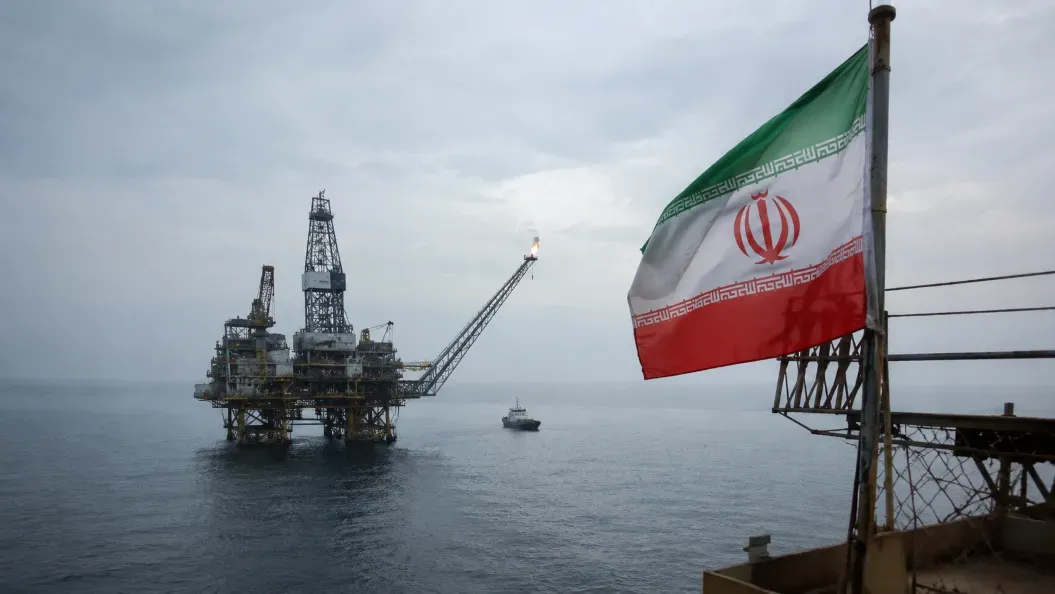
Global oil and bond markets swung sharply after Iranian media reported that the United States proposed a temporary waiver on sanctions targeting Iran’s oil exports as part of ongoing efforts to advance a broader agreement tied to reopening the Strait of Hormuz.
Iran’s semi-official Tasnim news agency, citing a source close to the negotiation team, said the proposed waiver would remain in place until a final agreement is reached between Washington and Tehran. The US has not officially confirmed the report.
Brent crude reversed earlier gains following the report and traded around $109 per barrel as traders weighed the possibility of partial normalization in Gulf energy flows after weeks of severe disruption linked to the conflict. Global bond markets also rallied as investors reassessed inflation and interest-rate expectations tied to oil supply risks.
The reported diplomatic opening comes as negotiations remain fragile and military tensions continue across the region.
US President Donald Trump warned Iran that “the clock is ticking,” urging Tehran to “get moving, FAST,” as attempts to move beyond a fragile ceasefire continue to stall.
The developments come amid mounting pressure on global energy markets after more than two months of disruption to shipping through the Strait of Hormuz, a chokepoint that normally handles roughly one-fifth of global oil and LNG flows.
Over the weekend, energy infrastructure tensions escalated further after a drone attack triggered a fire at a power station linked to the UAE’s Barakah nuclear power plant. The International Atomic Energy Agency said emergency diesel generators were activated to support one of the facility’s units, while UAE authorities confirmed there was no radiological impact or risk to the public.
Saudi Arabia also said it intercepted and destroyed three drones entering its airspace from Iraq on Sunday.
The latest reports suggest that Tehran is seeking several conditions in exchange for a broader agreement, including partial sanctions relief, access to frozen assets and easing restrictions tied to Iranian ports and shipping activity through Hormuz.
Meanwhile, European Commission President Ursula von der Leyen said restoring normal traffic through the Strait of Hormuz should be the immediate priority in negotiations between Washington and Tehran.
The market reaction highlights how closely global inflation expectations, central-bank policy and energy pricing have become tied to developments around the Gulf conflict.
Oil prices had surged in recent weeks as disruptions to Hormuz-linked shipping routes intensified fears of prolonged supply shortages, contributing to higher global bond yields, renewed inflation concerns and volatility across equities, gold and cryptocurrencies.
EcoPulse24 Analysis
The significance of the reported sanctions-waiver discussions extends far beyond diplomacy.
Markets are increasingly treating Hormuz not simply as a geopolitical flashpoint, but as one of the central variables shaping inflation, monetary policy and global energy security.
Even the possibility of partial Iranian oil returning to markets or shipping flows normalizing was enough to reverse oil gains and trigger a rally in global bonds, underlining how sensitive investors have become to any sign of easing supply stress.
At the same time, the broader environment remains highly unstable. The combination of fragile negotiations, continued military escalation and attacks involving strategic infrastructure means markets are simultaneously pricing both de-escalation hopes and renewed disruption risks.
That dual-track pricing dynamic is now driving volatility across commodities, fixed income and global risk assets.
The story also reinforces how deeply the Gulf conflict has become embedded in macroeconomic expectations. Oil is no longer trading purely on supply-demand balances, but increasingly on diplomacy, sanctions policy, shipping security and the probability of reopening Hormuz.
For central banks, this creates a difficult scenario: a sustained oil shock risks keeping inflation elevated even as economic activity weakens, raising concerns that policymakers could remain trapped in a higher-for-longer interest-rate environment.
Explore Related Coverage
Sources & References
Editorial Note
Disclaimer
© 2025 EcoPulse24. All rights reserved.