What Is Ripple?
Ripple is a U.S.-based financial technology company founded in 2012 (originally called OpenCoin, later renamed Ripple Labs).
Its mission is to revolutionize cross-border payments by offering faster, cheaper, and more reliable alternatives to the traditional SWIFT system.
Ripple’s main offering is RippleNet, a global payment network used by banks and financial institutions to settle international transactions.
What Is XRP?
XRP is a cryptocurrency that runs on its own blockchain, the XRP Ledger (XRPL).
It was created in 2012 by three developers:
- Jed McCaleb (who later founded Stellar),
- Arthur Britto,
- David Schwartz (now CTO of Ripple).
100 billion XRP tokens were created at launch. About 80% were allocated to Ripple Labs, while the rest were distributed to the community and early contributors.
The Difference Between Ripple and XRP
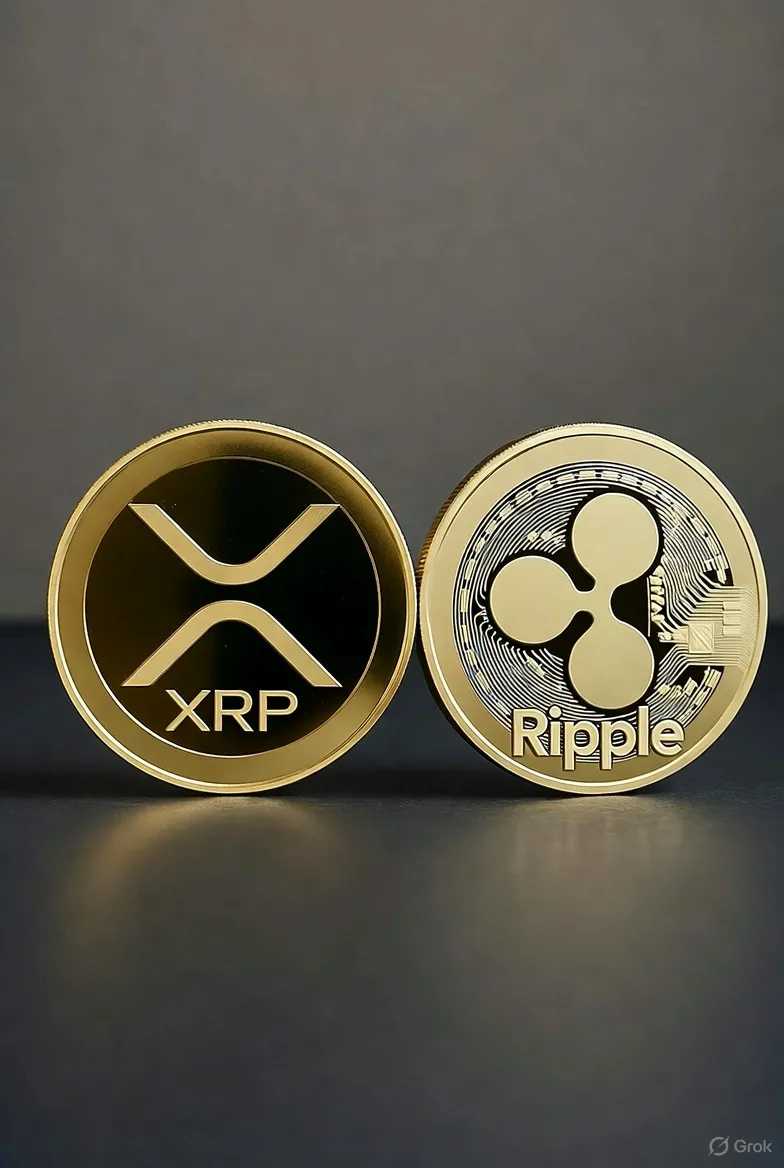
- Ripple = The company and its payment solutions (RippleNet).
- XRP = The independent cryptocurrency that can act as a “bridge asset” for transferring value across different currencies quickly and cheaply.
Think of Ripple as Visa and XRP as the digital dollar that Visa might process. They are related but not the same thing.
Does Ripple Have to Use XRP?
The short answer is no.
RippleNet can operate without XRP, using other assets or even stablecoins for settlement.
However, XRP offers key advantages:
- Transactions settle in seconds.
- Fees are near zero.
- Liquidity is available globally through the XRP Ledger.
That’s why Ripple often promotes XRP - because it strengthens their ecosystem - but it isn’t mandatory.
Timeline: The Story of XRP & Ripple
- 2012: XRP Ledger launched by Jed McCaleb, Arthur Britto, and David Schwartz. OpenCoin founded (later Ripple Labs).
- 2013–2014: Rebranded as Ripple Labs, began developing RippleNet for banks.
- 2017–2018: XRP skyrocketed in price, becoming the 3rd largest cryptocurrency by market cap.
- 2020: U.S. SEC sued Ripple, claiming XRP was sold as an “unregistered security.”
- 2023–2024: Ongoing legal battles, with partial wins for Ripple in U.S. courts, boosting XRP’s credibility.
- Today: RippleNet is used worldwide, and XRP remains a top digital asset - though its future depends on regulation and adoption.
Final Takeaway
- XRP is the digital currency.
- Ripple is the company building payment infrastructure.
- Ripple can use XRP - or other assets - but XRP provides speed, low cost, and global reach.
For investors and observers, the key is to understand that XRP isn’t Ripple stock - it’s a standalone cryptocurrency that Ripple happens to champion.