Canada to Supply 23.6 Million Barrels as IEA Moves to Stabilize Oil Markets After Iran War
Canada will export 23.6M barrels of oil, boost gas exports to help stabilize markets after Middle East conflict disrupts global energy supply.

London | EcoPulse24
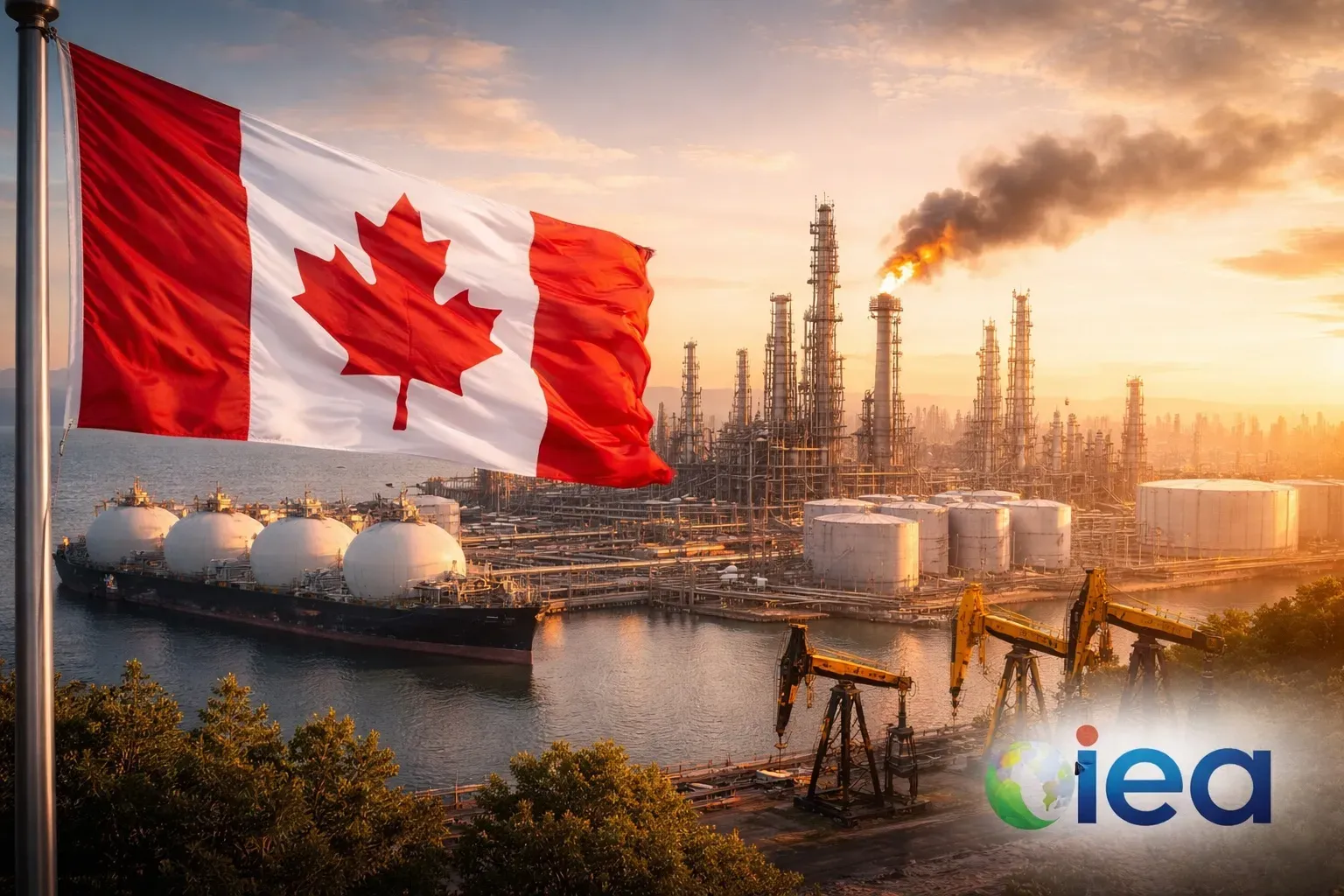
Canada plans to supply about 23.6 million barrels of oil and increase natural gas exports in the coming months as part of a coordinated international effort led by the International Energy Agency to stabilize energy markets disrupted by the Iran war and the effective closure of the Strait of Hormuz.
Energy Minister Tim Hodgson said Canada’s contribution is part of a broader plan by 32 IEA member countries to release up to 400 million barrels into global markets in an attempt to ease supply shortages and curb soaring oil prices.
Canada, the world’s fourth- largest oil producer and the second- largest supplier among IEA members, does not hold a strategic petroleum reserve like the United States. According to a government official familiar with the matter, the Canadian supply will come from planned production rather than emergency stockpiles.
Energy markets are currently facing one of the most severe supply disruptions in history after the conflict in the Middle East effectively shut down oil and gas flows through the Strait of Hormuz, a critical shipping route that carries roughly one- fifth of global oil trade.
Oil prices have surged in recent days, with Brent crude settling above $ 100 a barrel for the second consecutive session on Friday, reaching its highest level in more than three years.
Prime Minister Mark Carney said the 23.6 million barrels represent upcoming exports from Canadian energy companies, noting that the country has limited flexibility to expand output due to pipeline capacity constraints.
Carney added that Ottawa is considering further investment in the oil sector, including supporting Alberta’s proposal for a new west- coast pipeline to expand export capacity.
He also said Norwegian energy company Equinor is studying a major offshore oil development known as Bay du Nord off Canada’s east coast, with a final investment decision potentially expected in 2027.
Meanwhile, the United States plans to release about 172 million barrels from its strategic petroleum reserve, a process expected to take roughly 120 days to fully deliver the crude to markets.
EcoPulse24 Analysis
The coordinated move by the International Energy Agency reflects an effort to contain the supply shock triggered by the war in the Middle East and the closure of the Strait of Hormuz, a critical shipping route that carries nearly 20% of global oil trade.
While the announced volumes may help calm markets in the short term, continued disruptions to Gulf energy exports could keep oil prices under upward pressure, particularly given the limited spare production capacity among many producers outside OPEC.
Explore Related Coverage
Sources & References
Editorial Note
Disclaimer
© 2025 EcoPulse24. All rights reserved.