Egypt's International Reserves Reach Record $52.6 Billion, Covering Nearly 7 Months of Imports
Egypt's reserves hit $52.6B in Jan 2026, covering 6.9 months of imports, boosting financial stability and investor confidence.

Cairo | EcoPulse24
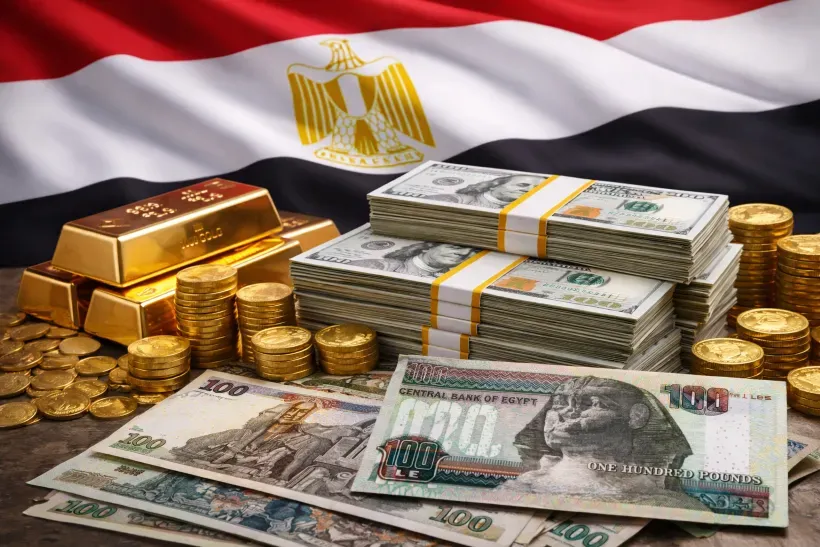
Egypt's net international reserves at the Central Bank reached $52.6 billion in January 2026, as announced during a meeting between President Abdel Fattah El-Sisi and Central Bank Governor Hassan Abdullah. This reflects a notable improvement in external liquidity compared to the $33.1 billion level in August 2022. The current reserves provide coverage for about 6.9 months of imports, exceeding standard international guidelines.
Net international reserves stood at $52.6 billion in January 2026, up from $33.1 billion in August 2022, highlighting a substantial positive gap in less than three years. Net foreign assets at the Central Bank also reached $15.1 billion in January 2026.
This improvement coincided with net foreign assets in the banking sector climbing to $25.5 billion in December 2025, the highest since February 2020. Of this, commercial banks' net foreign assets rose to $12.2 billion in December 2025, indicating a stronger foreign currency position across the banking system. The meeting also reviewed record-high remittances from Egyptians abroad, rising tourism revenues, and increased foreign investment in government debt instruments, demonstrating diversified sources of dollar inflows in 2025.
Import coverage of roughly 6.9 months reflects a comfortable safety margin compared to international benchmarks, showcasing the monetary system's ability to absorb short-term external shocks. The improvement's distribution between the Central Bank and commercial banks suggests a broader support base within the financial system.
The record rise in reserves and net foreign assets carries implications beyond the figures - it boosts investor confidence in Egypt's balance of payments stability, supports foreign currency obligation management, and improves Egypt's sovereign risk profile. Sustained remittance and tourism inflows offer relatively stable income sources, while investment in debt instruments enhances liquidity, though such investments remain sensitive to global market movements.
EcoPulse24 Analysis:
Reaching a historic high in international reserves marks a turning point for Egypt's external stability, giving monetary policymakers greater flexibility in managing liquidity and exchange rates. The diversification of dollar inflows - remittances, tourism, and debt investment - reduces reliance on a single channel. However, maintaining this momentum requires continued improvement in the investment climate and balanced capital flows amid global developments. Overall, the figures reflect a more resilient external environment, supporting Egypt's capacity to handle regional and international changes in 2026.
Explore Related Coverage
Sources & References
Editorial Note
Disclaimer
© 2025 EcoPulse24. All rights reserved.