First Abu Dhabi Bank Reports AED 10,765 Million Net Profit for H1 2026
FAB's H1 2026 profit rose to AED 10.77bn, with higher credit provisions and a more cautious outlook amid regional uncertainty.

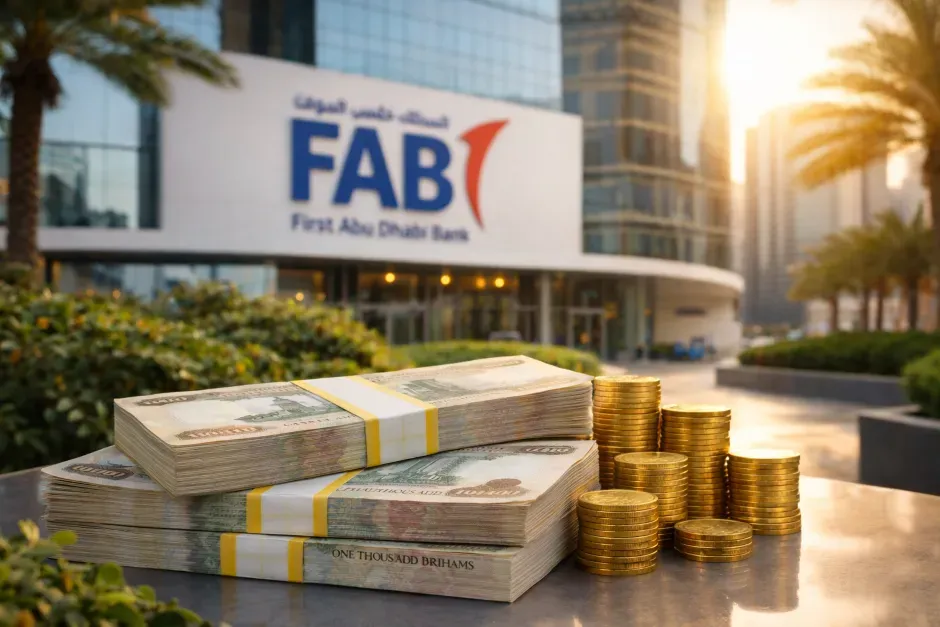
Abu Dhabi | EcoPulse24
First Abu Dhabi Bank (FAB), the UAE's largest lender by assets, reported a net profit of AED 10,765 million for the six months ended June 30, 2026, compared with AED 10,650 million a year earlier. The bank expanded its balance sheet above AED 1.4 trillion, while simultaneously increasing credit impairment provisions and adopting more conservative macroeconomic assumptions amid continued regional geopolitical uncertainty.
Operating income increased to AED 19,503 million from AED 18,309 million in the first half of 2025, supported by stronger net interest and Islamic financing income as well as higher fee and commission income. However, net impairment charges rose to AED 2,050 million, reflecting a more cautious assessment of future credit conditions.
H1 2026 Key Financial Highlights
| Metric | H1 2026 | Comparison |
|---|---|---|
| Net Profit | AED 10,765m | AED 10,650m |
| Total Assets | AED 1,408,739m | AED 1,376,862m |
| Net Loans | AED 661,181m | AED 616,325m |
| Customer Deposits | AED 852,971m | AED 840,773m |
| Operating Income | AED 19,503m | AED 18,309m |
| Net Impairment Charge | AED 2,050m | AED 1,476m |
EcoPulse24 Analysis
While FAB's earnings remained resilient during the first half of 2026, the more important message lies beneath the headline numbers. The bank strengthened its balance sheet and expanded lending, yet simultaneously adopted a significantly more defensive risk posture.
Management recorded an additional AED 650 million credit-risk overlay linked to ongoing regional geopolitical uncertainty and increased the weighting of its downside macroeconomic scenario to 50%, indicating that future credit conditions are being assessed more conservatively than in previous reporting periods.
The results suggest that the UAE banking sector continues to demonstrate strong profitability and capital strength while preparing for a prolonged period of elevated geopolitical and macroeconomic uncertainty, highlighting a growing emphasis on balance-sheet resilience rather than earnings growth alone.
Explore Related Coverage
Sources & References
Editorial Note
Disclaimer
© 2025 EcoPulse24. All rights reserved.