Hormuz Shock Forces India to Raise Cooking Gas Prices for First Time in a Year Amid Global Supply Pressures
India raised cooking gas prices by 7% due to Hormuz supply disruptions, marking the first hike in a year amid global energy tensions.

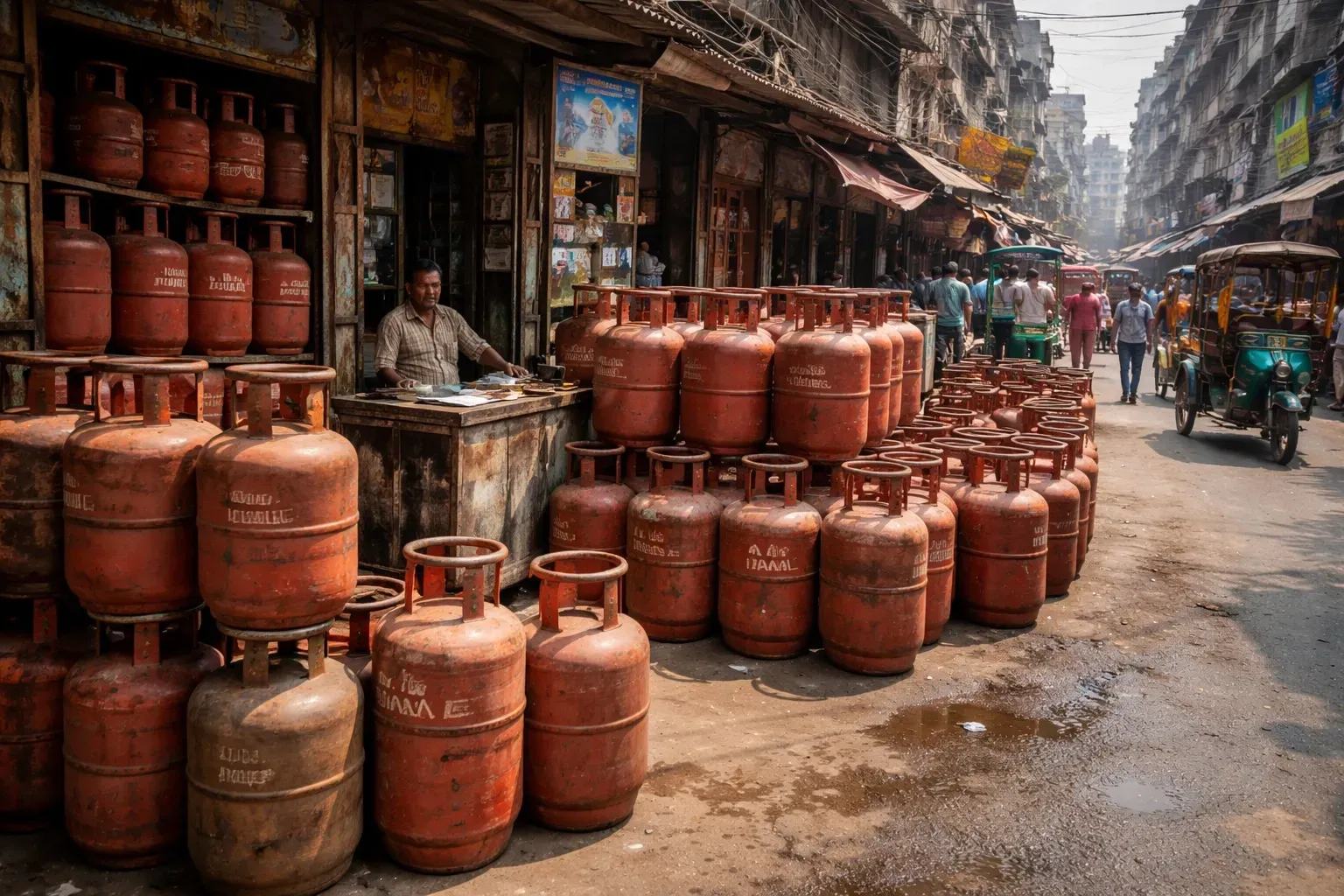
New Delhi | EcoPulse24
The Indian government and state-run energy companies have raised household cooking gas prices, highlighting the direct impact of escalating Middle East tensions on global energy markets after supply disruptions in the Strait of Hormuz and rising fuel costs. Indian Oil Corp, the nation's largest oil refiner, increased the price of a 14.2-kg domestic liquefied petroleum gas (LPG) cylinder by about 7% to 913 rupees in New Delhi - the first consumer price hike since April last year. The new price was implemented alongside other state energy firms such as Bharat Petroleum and Hindustan Petroleum, reflecting coordinated action to address higher import costs.
India's energy market has been directly affected by supply interruptions in the Gulf, as the country heavily depends on Middle Eastern energy imports. With about 333 million Indian households using LPG as their primary cooking fuel, any price change is a sensitive economic and social issue. The increase will impact over two-thirds of Indian families who pay market rates, while the rest benefit from government subsidies aimed at shielding low-income groups.
India is the world’s third-largest LPG consumer, with over 90% of its imports coming from the Middle East, making its energy security closely tied to stability in the Strait of Hormuz. The strait, which handles about a fifth of global oil trade, has seen severe shipping disruptions due to escalating military tensions, significantly affecting energy shipments from the Gulf.
The price hike also extends to commercial LPG cylinders used in hotels and restaurants, which rose by 6.5% to about 1,883 rupees. Commercial LPG prices are typically reviewed monthly, with the last increase being about 1.6% in early March.
The broader economic impact may be significant, as fuel costs form a key component of India's consumer price index, potentially adding further inflationary pressures. In response, the government has taken emergency steps to boost domestic LPG stocks, including directing refiners to increase output and prioritize household supply over petrochemical use. These measures come amid growing concerns that supply disruptions could persist if shipping through the Strait of Hormuz remains constrained.
EcoPulse24 Analysis:
India’s decision to raise cooking gas prices underscores the direct effect of Middle East geopolitical crises on Asian economies reliant on energy imports. India’s heavy dependence on Gulf supplies makes its economy vulnerable to shipping disruptions in the Strait of Hormuz. With rising global energy prices, the spillover into household energy costs signals a potential inflation wave in importing economies, likely prompting governments to intervene with subsidies or emergency actions to stabilize local markets.
Explore Related Coverage
Sources & References
Editorial Note
Disclaimer
© 2025 EcoPulse24. All rights reserved.