Near Standstill in Strait of Hormuz Leaves Dozens of Oil Tankers Waiting and Threatens Global Supply
Oil tanker traffic in the Strait of Hormuz has nearly stopped after attacks, threatening global oil and LNG supply and raising prices sharply.

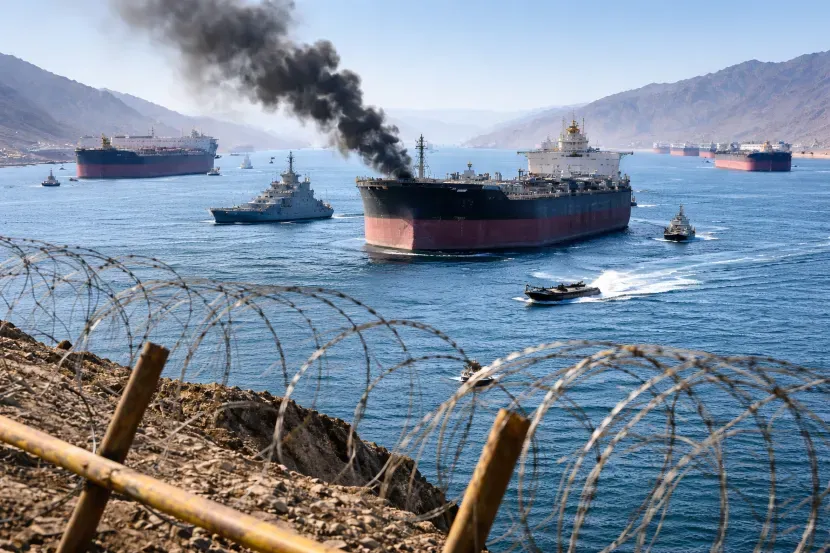
Dozens of large oil tankers have accumulated in the Arabian Gulf, signaling an almost complete halt to transit through the Strait of Hormuz following attacks on commercial ships and a spike in maritime risk levels. Ship tracking data indicates at least 40 VLCC tankers, each holding about two million barrels, are waiting in the Gulf as owners and captains refrain from crossing until the security situation becomes clearer. Only four tankers crossed the strait in the past 24 hours, compared to 22 the day before, marking a sharp decline in traffic. Oil prices responded instantly, with WTI crude trading at $71.88 per barrel, up 7.25%, amid growing anxiety over supply disruptions. While shipping has not been officially halted, confirmed attacks and security warnings have led major companies to keep vessels in place. At least three ships were targeted as of Monday morning, and multinational maritime information centers raised the alert level to 'critical.' Over half of major marine insurance clubs have canceled war risk coverage for vessels bound for the Gulf, doubling operational costs and increasing legal and financial risks. The actual number of stranded ships is difficult to estimate as some have turned off tracking devices to avoid being targeted. Container ships have also halted or diverted routes, and similar concerns have spread to the Red Sea. The strategic value of the Strait of Hormuz extends beyond crude oil, as it is a key route for LNG shipments - especially from Qatar, which supplies about 20% of global LNG. Prolonged disruption could destabilize Asian and European markets and force producers to cut output if storage facilities become full due to limited available ships. EcoPulse24 analysis: The strait is not officially closed, but is effectively out of normal service. The practical halt in tanker traffic marks a shift from threat to operational disruption. If the situation persists, risk premiums will rise, and both producers and importers will face a real test of supply chain resilience. The longer the disruption lasts, the more likely it is to escalate from price volatility to an actual supply crisis.
Explore Related Coverage
Sources & References
Editorial Note
Disclaimer
© 2025 EcoPulse24. All rights reserved.