OPEC+ Maintains Oil Output Levels Through Q1 Despite Venezuelan Unrest and Internal Divergences
OPEC+ will keep oil output steady through March, citing ample supply and weak demand, despite unrest in Venezuela and internal divisions.

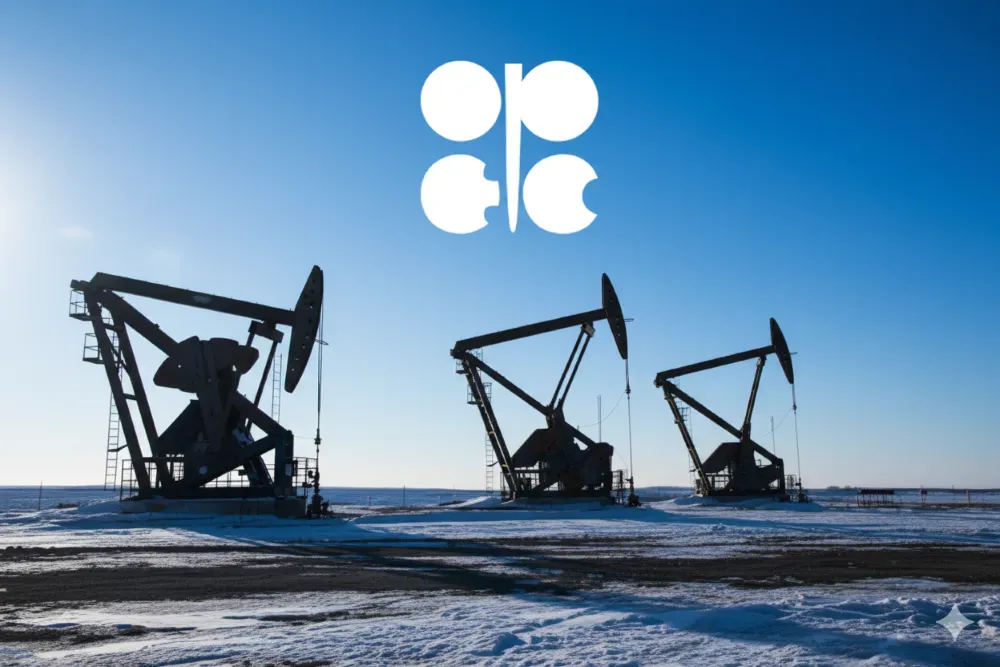
Riyadh | EcoPulse24
According to Bloomberg, the OPEC+ alliance has resolved to maintain current oil production levels through the end of March, sticking to its plan to suspend supply increases for the first quarter. This comes amidst ample global supply and slowing demand growth, as determined in the latest alliance meeting.
The decision was led by Saudi Arabia and Russia, with delegates confirming that recent developments in Venezuela were not a central topic during the brief virtual meeting. They noted that assessing the impact of these events on supply is still premature.
This approach comes as the oil market faces clear pressures, with prices nearing their lowest in almost four years and international institutions predicting a record supply surplus in 2026, driven by continued non-OPEC+ output growth outpacing global demand.
Despite Venezuela holding the world's largest proven oil reserves, years of underinvestment and international isolation have reduced its output, limiting its immediate impact on market balance. U.S. sanctions on Venezuelan oil further restrict any rapid change in export flows, analysts say.
Ongoing geopolitical tensions, including regional disputes in the Middle East, sanctions on Russia, and energy market disruptions elsewhere, reinforce OPEC+'s cautious stance, aiming to avoid introducing new variables into an already volatile market.
Analysis:
OPEC+'s decision to hold production steady reflects a defensive strategy to contain supply surpluses and retain flexibility in a fragile market environment. Given the uncertainty in Venezuela and multiple geopolitical flashpoints, the alliance prefers risk management over increasing quotas, awaiting clearer signals on demand and prices in the coming months.
Sources & References
Editorial Note
Disclaimer
© 2025 EcoPulse24. All rights reserved.