Qatar’s Foreign Reserves Rise to QAR 262 Billion as Gold Holdings Surge Amid Global Uncertainty
Official international reserves reached QAR 202.6 billion, up 1.86% from the same period a year earlier

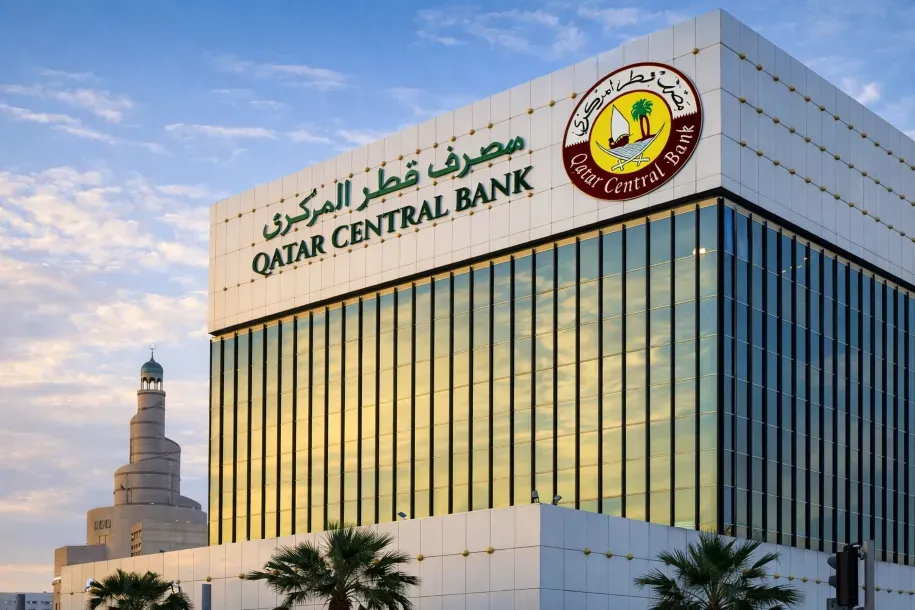
Doha | EcoPulse24
Qatar's international reserves and foreign currency liquidity climbed to QAR 262.06 billion ($72 billion) at the end of May 2026, marking a 1.52% year-on-year increase, as the Qatar Central Bank continued to strengthen its reserve position through higher gold holdings and larger cash balances held abroad.
According to data released by the Qatar Central Bank (QCB), official international reserves reached QAR 202.6 billion, up 1.86% from the same period a year earlier, highlighting the country's continued efforts to maintain a strong external liquidity position despite heightened geopolitical and economic uncertainty across global markets.
Gold Becomes a Larger Component of Qatar’s Reserves
One of the most significant developments in the latest reserve data was the sharp increase in gold holdings.
QCB's gold reserves rose by approximately QAR 16.89 billion year-on-year, reaching QAR 61.23 billion by the end of May 2026, compared with QAR 44.34 billion a year earlier.
The increase reflects a broader trend among central banks worldwide, many of which have expanded gold purchases as a hedge against inflation, currency volatility, geopolitical tensions and shifts in the global monetary system.
Gold has increasingly become a strategic reserve asset for central banks seeking to diversify away from traditional reserve instruments while maintaining liquidity and long-term value preservation.
Foreign Bank Deposits Jump
The central bank also reported a substantial rise in balances held with foreign banks.
These balances increased by QAR 20.18 billion over the past year to reach QAR 36.58 billion, strengthening Qatar's foreign currency liquidity buffer and enhancing its ability to respond to external market shocks.
The increase suggests that QCB has maintained a cautious liquidity management approach while preserving flexibility amid elevated volatility in global financial and energy markets.
Shift Away From Foreign Bonds
While gold and foreign cash balances increased, holdings of foreign bonds and treasury bills declined significantly.
These assets fell by approximately QAR 33.34 billion year-on-year to QAR 99.57 billion.
The decline may indicate a strategic reallocation of reserve assets rather than a reduction in reserve strength, as central banks globally reassess portfolio composition in response to changing interest-rate expectations, inflation risks and geopolitical developments.
The latest figures suggest Qatar has increasingly favored liquidity and reserve diversification over concentration in traditional fixed-income instruments.
IMF Reserve Assets Edge Lower
Meanwhile, Qatar's holdings related to Special Drawing Rights (SDRs) and its reserve position at the International Monetary Fund declined slightly.
The balance stood at QAR 5.23 billion, down by approximately QAR 35 million from the same month last year.
The change was relatively modest and had little impact on the overall reserve position.
Strong External Buffers Remain in Place
Qatar's international reserve portfolio consists primarily of:
-
Foreign bonds and treasury bills
-
Cash balances with foreign banks
-
Gold holdings
-
IMF Special Drawing Rights (SDRs)
-
Qatar's reserve position at the IMF
-
Other foreign-currency liquid assets
Together, these components form the country's total international reserve base and serve as a key measure of external financial strength.
EcoPulse24 Analysis
The headline increase in Qatar's reserves tells only part of the story.
More important than the overall growth is the changing composition of those reserves.
The latest data suggests that Qatar is actively repositioning its reserve portfolio by increasing exposure to gold and liquid foreign assets while reducing holdings of foreign fixed-income securities. This strategy mirrors a broader global trend among central banks that are seeking greater flexibility amid persistent geopolitical risks, elevated energy-market volatility and uncertainty surrounding future monetary policy.
The sharp rise in gold holdings is particularly noteworthy. Across the world, central banks have become some of the largest buyers of gold in recent years as they seek assets that are less exposed to sovereign debt risks and currency fluctuations.
For Qatar, maintaining more than QAR 262 billion in reserves and foreign currency liquidity provides a substantial financial buffer at a time when global markets continue to face multiple challenges ranging from geopolitical tensions in the Middle East to shifting trade patterns and evolving interest-rate expectations.
The latest figures reinforce Qatar's strong external position and suggest that reserve diversification remains a central pillar of the country's financial stability strategy.
Sources & References
Editorial Note
Disclaimer
© 2025 EcoPulse24. All rights reserved.