Unprecedented Surge in Global Electricity Demand Drives Urgent Need for Grid Investment and Flexibility by 2030
IEA warns global electricity demand will surge by 2030, requiring major grid investment and flexibility to avoid bottlenecks and rising costs.

Paris | EcoPulse24
The International Energy Agency (IEA) has warned of a strong and sustained wave of global electricity demand growth for the remainder of this decade, declaring that the world has entered what it calls the "Age of Electricity." In its annual "Electricity 2026" report, the IEA projects electricity demand will grow at a rate more than two and a half times faster than total energy demand through 2030. The report provides a comprehensive outlook on global market trends, policies, and structural challenges in the electricity sector.
The report forecasts average global electricity demand growth of over 3.5% annually through 2030, driven by expanding electricity-intensive industries, accelerated adoption of electric vehicles, increased use of air conditioning, and rapid growth in data centers and AI applications. Emerging and developing economies are expected to account for about 80% of total global electricity demand growth from 2025 to 2030, while advanced economies, after about 15 years of stagnation, will contribute roughly one-fifth of the increase.
Regarding generation mix, the IEA expects renewables and nuclear together to reach around 50% of global electricity generation by 2030, up from about 42% today, supported by record solar PV deployment and new highs in nuclear output. Electricity generation from natural gas is also expected to continue growing, especially in the US and Middle East, while coal’s role will decline globally, returning to 2021 levels by the end of the decade. As a result, CO2 emissions from power generation are projected to remain nearly stable through 2030.
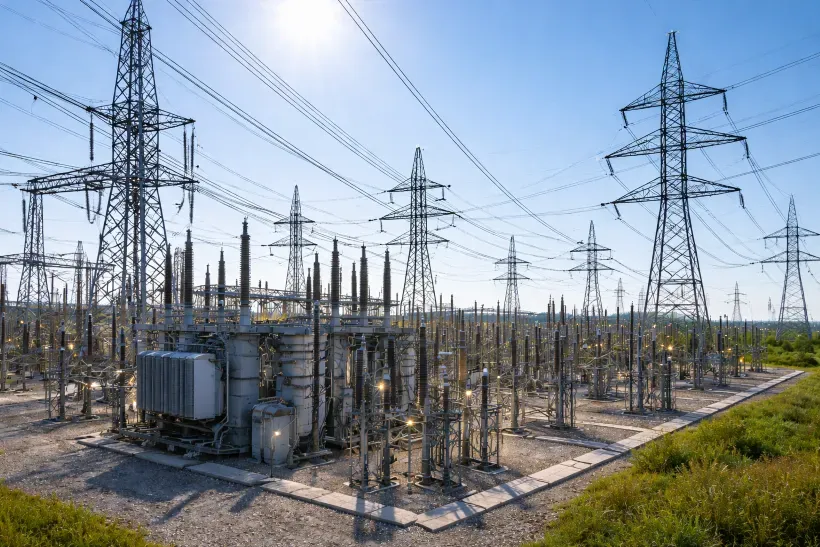
The report stresses that rapid demand growth, increasing reliance on weather-dependent sources, and changing consumption patterns present major structural challenges for electricity grids. The world faces acute bottlenecks in transmission and distribution networks, with over 2,500 GW of renewable, storage, and large load projects (such as data centers) currently waiting for grid connection. The report estimates that efficiency-enhancing technologies and regulatory reforms allowing greater flexibility could enable up to 1,600 GW of these projects to be integrated in the near term.
Meeting the projected demand will require a 50% increase in annual investment in power grids by 2030, alongside expanded deployment of flexibility solutions such as large-scale battery storage, which has seen notable growth in markets like California, Germany, Texas, South Australia, and the UK. However, the IEA warns that rising electricity prices are creating mounting challenges for households and industries, with bills in many countries increasing faster than incomes since 2019. This is prompting governments to focus on policies balancing investment, efficiency, and affordability.
EcoPulse24 Analysis:
The "Electricity 2026" report outlines a pivotal transition in global energy markets. The challenge is no longer just increasing generation, but ensuring grid infrastructure can accommodate the rapid shift toward electricity and clean energy. With electricity demand growth outpacing other energy forms, infrastructure is now central to energy security and economic competitiveness. If emissions remain relatively stable despite rising consumption, investment in grids and flexibility will determine whether the "Age of Electricity" delivers a more sustainable system - or leads to bottlenecks, higher prices, and operational risks in the years ahead.
Explore Related Coverage
Sources & References
Editorial Note
Disclaimer
© 2025 EcoPulse24. All rights reserved.