US Imposes 25% Tariffs on Most Brazilian Imports Under Section 301 Trade Law
US to impose 25% tariffs on most Brazilian imports from July 22 under Section 301, citing unfair trade; key goods like coffee are exempt.

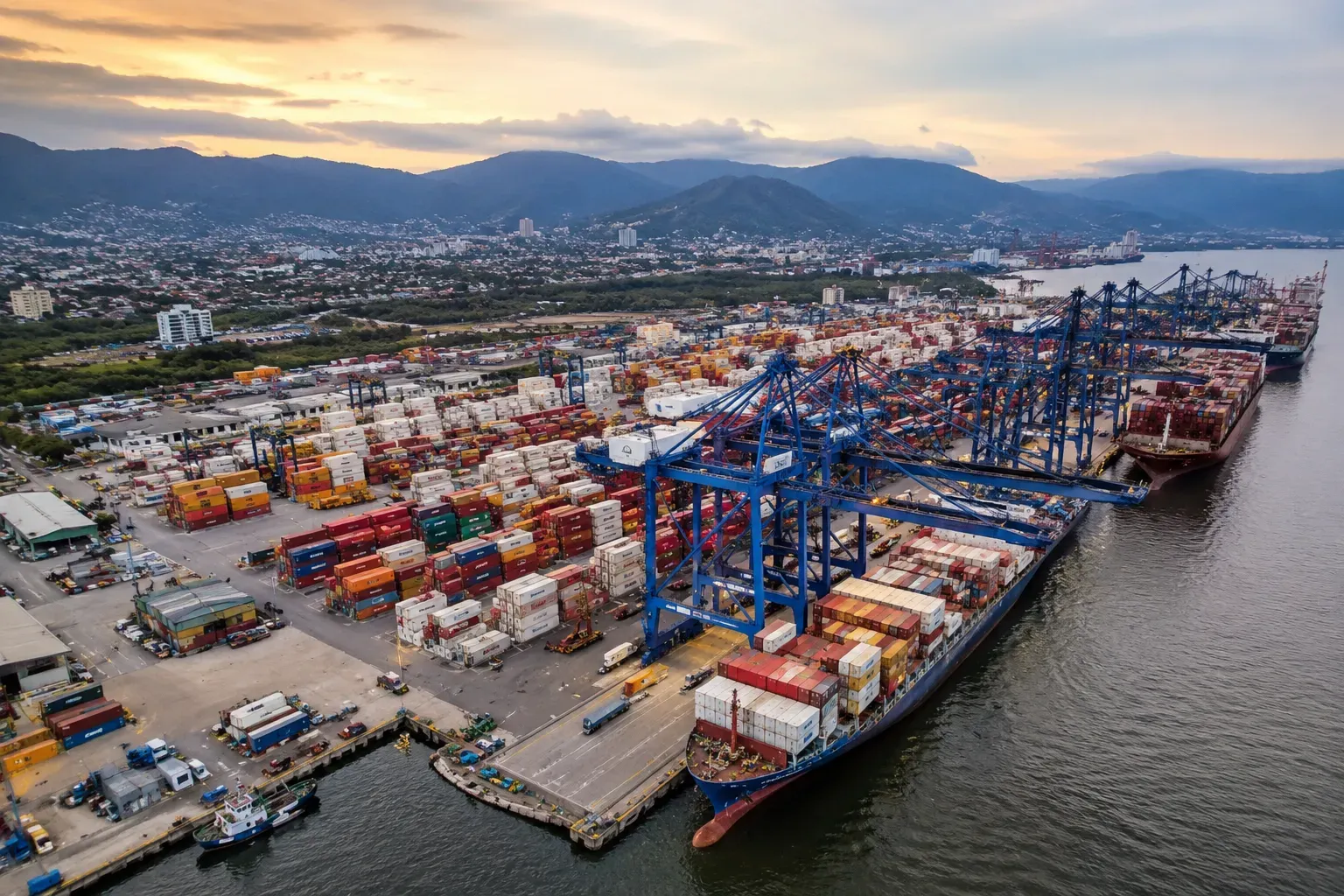
Washington | EcoPulse24
The United States will impose a 25% tariff on most imports from Brazil starting July 22, marking the first implementation of the Trump administration's renewed trade tariff strategy after a year-long investigation concluded that several Brazilian trade policies unfairly disadvantage American businesses and exporters.
The Office of the United States Trade Representative (USTR) said the decision follows a Section 301 investigation that identified concerns over Brazil's digital trade practices, preferential tariff treatment, market access for ethanol, and other trade-related measures that Washington considers harmful to U.S. commercial interests.
Tariffs Are Based on Section 301, Not Emergency Powers
The new measures are being imposed under Section 301 of the Trade Act of 1974, representing a significant legal shift from earlier tariff actions against Brazil.
Previously, the Trump administration relied on the International Emergency Economic Powers Act (IEEPA) to impose tariffs on Brazilian goods. However, the U.S. Supreme Court ruled in February 2026 that the administration had exceeded its authority under that law when imposing a 50% tariff linked to the prosecution of former Brazilian President Jair Bolsonaro.
By using Section 301, the administration is relying on one of the United States' most established trade enforcement mechanisms, traditionally used to address unfair foreign trade practices.
Coffee, Orange Juice and Aircraft Components Exempt
Despite the broad scope of the new tariffs, several major Brazilian exports will remain exempt.
Key Exemptions
| Exempt Products |
|---|
| Coffee |
| Beef and meat products |
| Oranges |
| Orange juice |
| Selected oil and gas products |
| Aircraft parts and components |
The exemptions suggest that Washington is seeking to limit disruptions to critical U.S. supply chains and industries that rely heavily on Brazilian imports.
Brazil Rejects the Move as Political
Brazilian President Luiz Inácio Lula da Silva criticized the tariffs, arguing that political considerations influenced Washington's decision. Lula also accused political rivals, including Senator Flávio Bolsonaro, son of former President Jair Bolsonaro, of contributing to tensions ahead of Brazil's upcoming presidential election.
Senior U.S. officials rejected those claims, maintaining that the decision was based solely on the findings of the Section 301 investigation.
U.S. Secretary of State Marco Rubio also stated on X that Lula's government had not negotiated with the United States "in good faith."
Additional 12.5% Tariff Could Follow
Trade tensions could escalate further.
A separate U.S. investigation into alleged forced labor practices could lead to an additional 12.5% tariff on certain Brazilian imports, with a decision expected next week.
If approved, some Brazilian products could face combined duties significantly higher than the newly announced 25% rate.
An Unusual Section 301 Case
The action stands out because the United States maintains a goods trade surplus with Brazil, rather than a deficit.
According to U.S. trade data, America's goods trade surplus with Brazil reached US$14.4 billion last year, representing a 112.8% increase from the previous year.
Historically, Section 301 investigations have been used primarily against countries running substantial trade surpluses with the United States, most notably China. Applying the law against Brazil therefore represents an important evolution in U.S. trade policy priorities.
EcoPulse24 Analysis
The decision signals that U.S. trade policy is moving beyond a narrow focus on trade deficits toward a broader framework centered on market access, digital commerce, regulatory practices, and industrial competitiveness. By invoking Section 301, Washington is demonstrating a willingness to challenge what it views as unfair commercial practices regardless of the bilateral trade balance.
Equally important is the legal foundation of the decision. Following judicial scrutiny of earlier tariff measures imposed under emergency powers, the administration has returned to one of its strongest statutory trade enforcement tools. This shift could make future trade actions more resilient to legal challenges while providing a clearer procedural basis for expanding tariff measures against other trading partners.
The list of exemptions also highlights a more targeted approach to tariff policy. By excluding products such as coffee, orange juice, aircraft components, and selected energy products, U.S. policymakers appear to be balancing domestic trade objectives with the need to protect supply chains and industries that depend on Brazilian imports.
From a macroeconomic perspective, the case may mark the beginning of a broader shift in global trade policy, where tariffs increasingly become instruments for addressing regulatory disputes, digital trade issues, and industrial strategy rather than simply correcting trade imbalances. If similar actions are extended to additional countries, businesses and global supply chains may face another period of heightened trade uncertainty.
Explore Related Coverage
Sources & References
Editorial Note
Disclaimer
© 2025 EcoPulse24. All rights reserved.