Gold and Bitcoin Slide Together as Rising Treasury Yields Signal Broader Macro Repricing
Masadir Economics indicators, spot gold fell to around $4,393 per ounce, posting weekly losses of 3.08%, equivalent to nearly $140 per ounce. Bitcoin

Dubai | EcoPulse24
Global markets are showing signs of a significant macroeconomic shift as both gold and Bitcoin come under synchronized pressure while US Treasury yields and the US dollar continue climbing, signaling that investors are increasingly prioritizing liquidity and interest-rate risk over traditional inflation hedges.
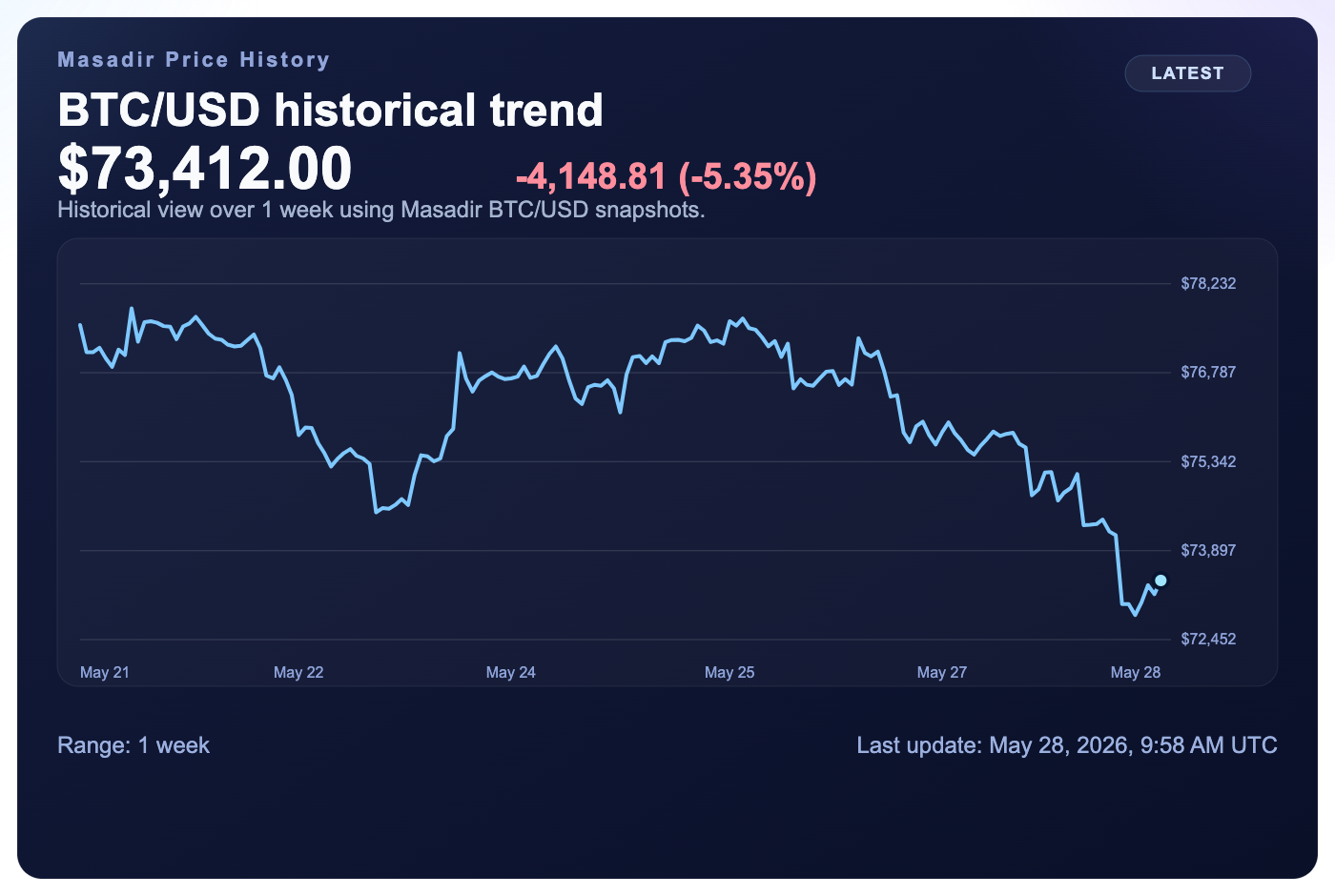
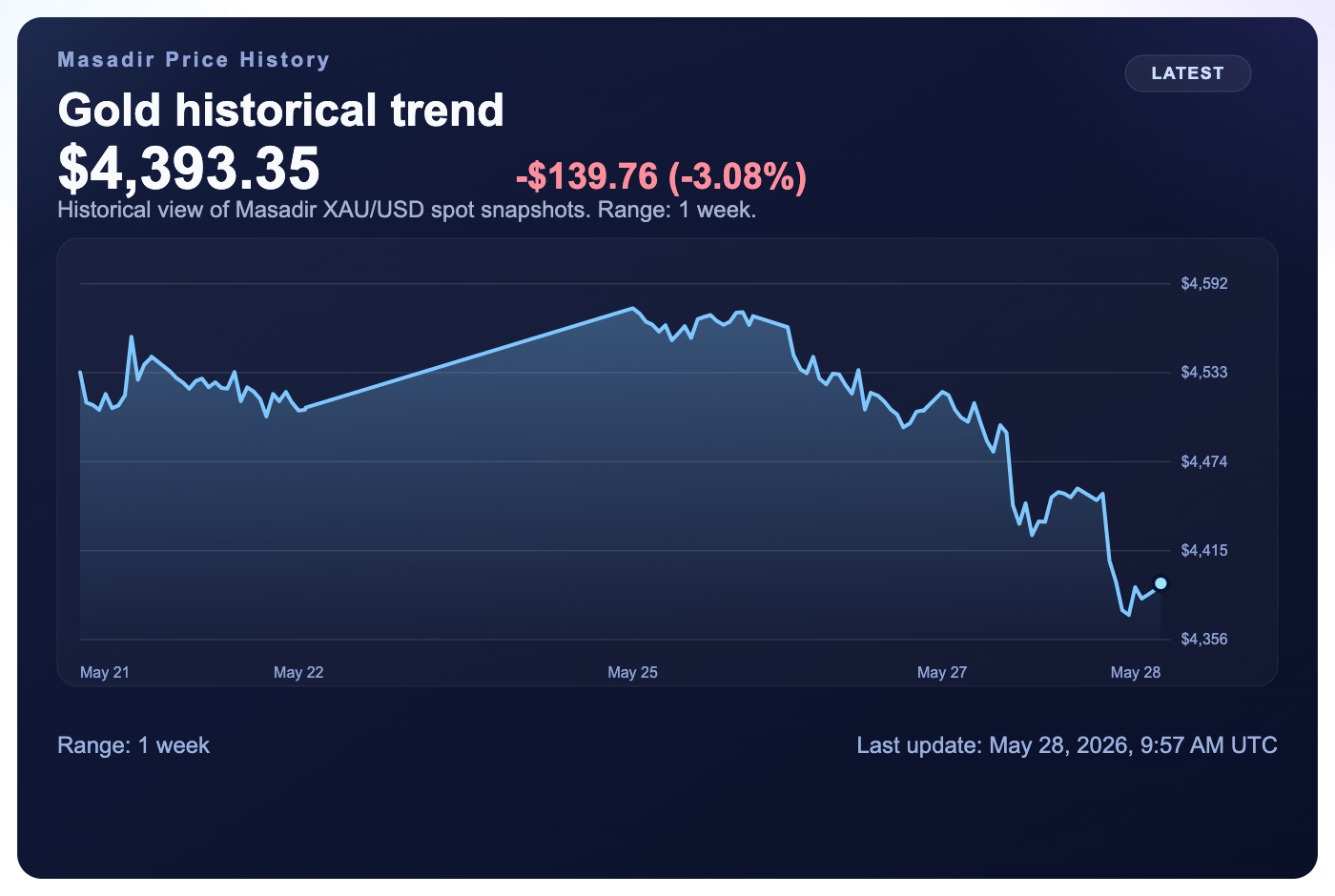
According to Masadir Economics indicators, spot gold fell to around $4,393 per ounce, posting weekly losses of 3.08%, equivalent to nearly $140 per ounce. Bitcoin also declined sharply to approximately $73,400, marking a weekly drop of more than 5.3%, or over $4,100.
The declines come as US Treasury yields moved higher again, with the 30-year Treasury yield climbing above 5% and the benchmark 10-year yield returning above 4.5% amid renewed geopolitical tensions linked to Iran and persistent concerns about inflation and Federal Reserve policy.
The simultaneous decline in:
-
gold,
-
cryptocurrencies,
-
and broader risk-sensitive assets
suggests markets are entering a new phase of “macro repricing” rather than reacting solely to short-term geopolitical headlines.
From Geopolitical Fear to Monetary Fear
Gold typically benefits from:
-
war,
-
geopolitical instability,
-
and inflation fears,
as investors traditionally move into safe-haven assets during periods of uncertainty.
However, the current selloff in gold despite escalating Middle East tensions suggests markets are now placing greater emphasis on:
-
higher interest rates,
-
rising Treasury yields,
-
dollar strength,
-
and tighter liquidity conditions.
At the same time, Bitcoin’s sharper decline reflects weakening global risk appetite as investors reassess the possibility of “higher-for-longer” US interest rates.
The broader move indicates that investors are reducing exposure to both:
-
inflation-hedge assets,
-
and speculative assets
simultaneously - a pattern more commonly associated with large macroeconomic regime shifts.
Treasury Yields Return to Center Stage
The shift comes as markets increasingly focus on the inflationary consequences of rising energy prices and geopolitical instability tied to Iran and global oil supply concerns.
Recent comments from Federal Reserve officials have also reinforced expectations that US interest rates may remain elevated longer than previously anticipated.
Meanwhile, rising Treasury yields continue tightening financial conditions globally by:
-
increasing borrowing costs,
-
strengthening the dollar,
-
reducing liquidity,
-
and pressuring asset valuations.
The move above 5% in long-term US Treasury yields is particularly significant because it reflects a higher long-term cost of capital across the global financial system.
As yields rise, assets that do not generate income - including gold and Bitcoin - become less attractive relative to interest-bearing instruments.
A Shift Toward Liquidity Preservation
The latest market behavior increasingly resembles what macro investors describe as:
“Liquidity Preservation Mode.”
In this environment, investors prioritize:
-
cash,
-
dollar exposure,
-
and capital preservation
rather than aggressively pursuing speculative returns or inflation hedges.
The synchronized weakness across both gold and crypto markets suggests investors are becoming more concerned about:
-
monetary tightening,
-
inflation persistence,
-
and liquidity conditions
than geopolitical fear alone.
Charts tracking both assets over the past week also indicate that the declines are not isolated reactions to a single headline, but rather part of a broader, systematic de-risking process unfolding across multiple sessions.
EcoPulse24 Analysis
The current market environment may represent one of the clearest signs yet that global investors are transitioning from:
“war-driven panic”
to
“monetary-policy-driven repricing.”
Markets are no longer viewing:
-
Iran,
-
oil,
-
inflation,
-
and Federal Reserve policy
as separate themes.
Instead, investors increasingly see them as interconnected forces directly shaping:
-
liquidity conditions,
-
global capital costs,
-
and asset valuations.
The simultaneous pressure on both gold and Bitcoin is especially important because it signals that investors are not currently seeking traditional hedges - they are seeking stability and liquidity.
If US Treasury yields continue rising while oil prices remain elevated and the Federal Reserve maintains a hawkish stance, broader repricing pressure could extend further across:
-
equities,
-
technology stocks,
-
emerging markets,
-
precious metals,
-
and digital assets.
Charts & data via Masadir Economics | www.masadir.net
Sources & References
Editorial Note
Disclaimer
© 2025 EcoPulse24. All rights reserved.