Iraq's Oil Exports Reach 3.6 Million Barrels Per Day Since January Amid Recovery in Kurdistan Shipments
Iraq's oil exports hit 3.6M barrels/day in 2026, aided by Kurdistan flows and financial settlements, with focus on market stability.

Baghdad | EcoPulse24
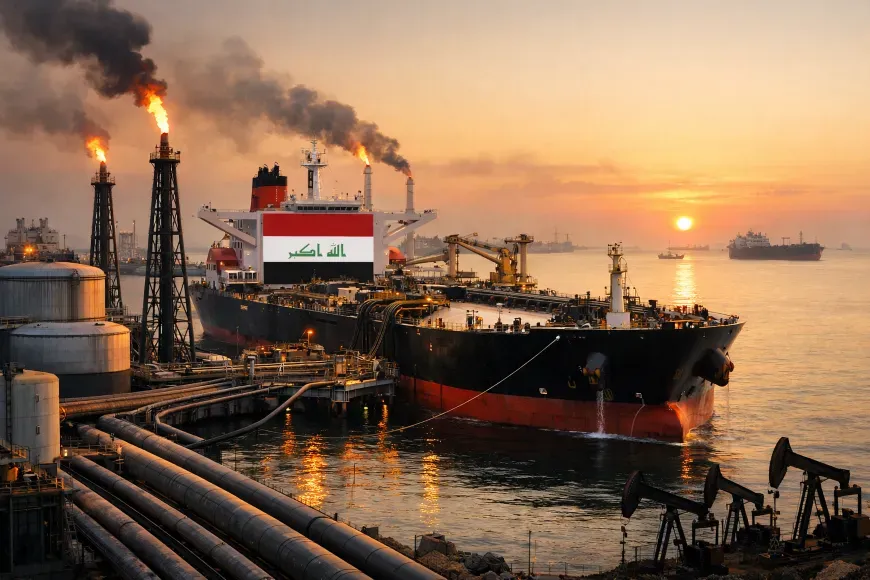
The State Oil Marketing Organization (SOMO) announced that Iraq's average crude oil exports have reached approximately 3.6 million barrels per day since the beginning of January 2026, indicating continued flows within OPEC's approved production limits.
According to a company statement, exports from the Kurdistan Region of Iraq accounted for about 200,000 barrels per day of total exports, coinciding with a partial financial settlement of outstanding payments related to the region's oil production.
Financial Settlements and Regional Revenues
SOMO clarified it has paid $192 million to oil firms operating in Kurdistan to settle production-related arrears, while monthly revenues from the region's oil sales are estimated at around $400 million, according to data cited from international agencies.
Iraq resumed Kurdistan oil exports to Turkey last September after a suspension of nearly two and a half years, under an agreement allowing flows of 180,000 – 190,000 barrels per day to Ceyhan Port.
SOMO's Director General, Ali Nazar Al-Shatari, stated that Iraq exported about 19 million barrels of oil from the region over three months, affirming continued receipt of oil under the existing agreement.
Warnings Over Global Market Volatility
Al-Shatari warned of risks of a global crisis that could negatively impact oil markets and cause sharp price increases. He emphasized that Iraq does not target “unjustifiably high” prices, but rather seeks a fair price reflecting market realities and covering production costs with a reasonable profit margin.
He added that market stability is the primary goal, noting that geopolitical threats and wars remain direct pressures on oil prices.
Production Plans and Infrastructure
SOMO confirmed Iraq is working to increase production capacity within OPEC’s parameters, alongside:
-
Implementing projects to enhance oil infrastructure
-
Developing contracting mechanisms with foreign oil companies
-
Expanding export routes to boost supply flexibility
EcoPulse24 Analysis
The export figure of 3.6 million barrels per day underscores Iraq’s commitment as a disciplined producer within OPEC, amid heightened market sensitivity to geopolitical risks.
The partial resumption of Kurdistan exports provides a financial stability margin for the Iraqi government, though it hinges on sustained political and logistical agreements with Turkey and the region.
In the near term, market stability - rather than price levels - will remain central to Iraq’s oil strategy, especially as it aims to boost capacity without disrupting global market balance.
Explore Related Coverage
Sources & References
Editorial Note
Disclaimer
© 2025 EcoPulse24. All rights reserved.